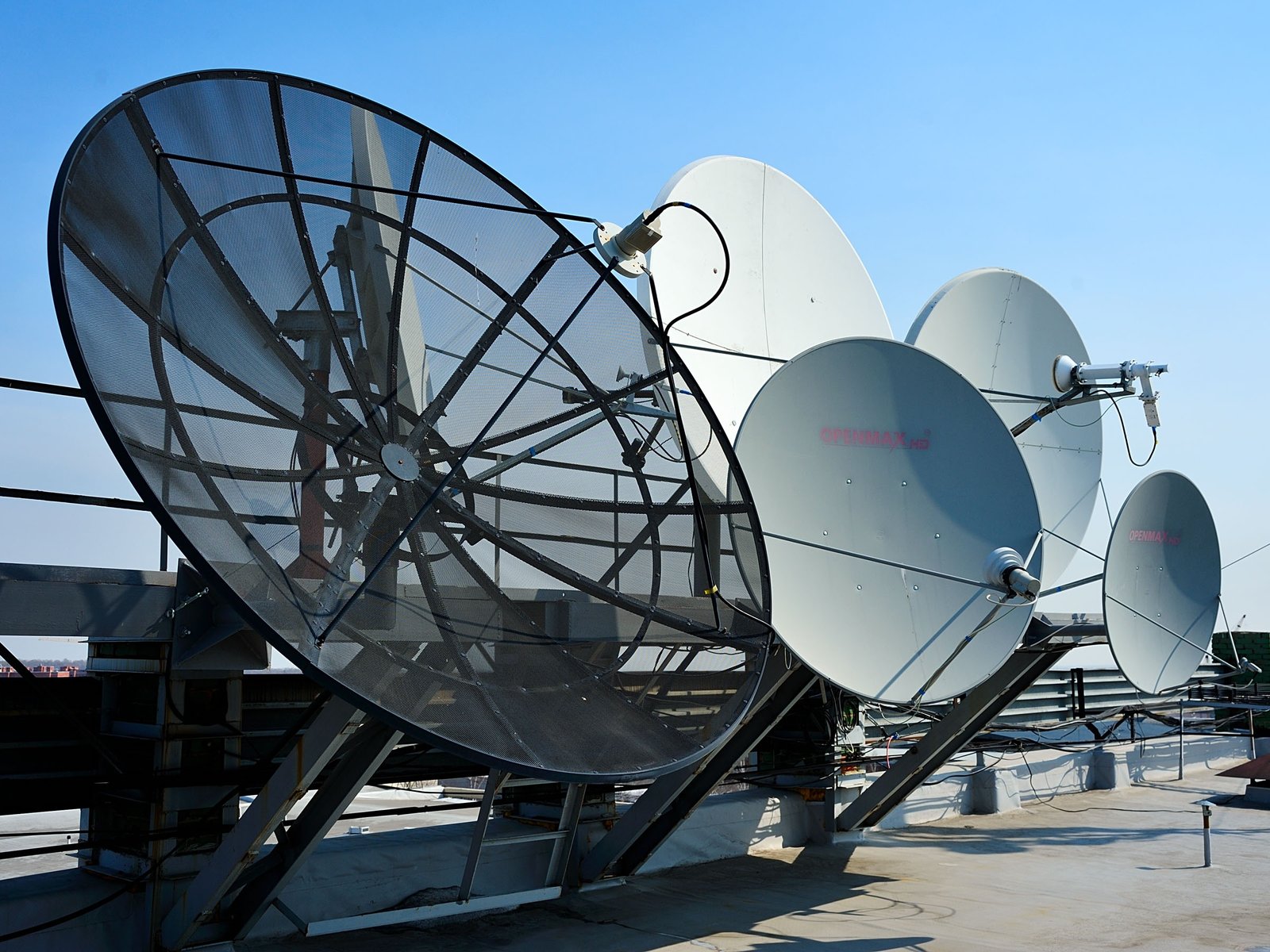
Not that long ago, watching international television required effort. You needed a satellite dish bolted to your home, an expensive cable bundle with ‘international add-ons’, or a stack of imported DVDs if you were lucky enough to find them. Global entertainment existed, but it was inconvenient, fragmented, and often expensive.
Today, you can sit on your sofa in London and watch a Korean drama, a Spanish thriller, or an American sports documentary within seconds.
International streaming services didn’t just improve access to global content. They quietly reshaped the entire television industry, and in doing so, made traditional cable feel outdated.
The Cable Era: Bundles and Barriers
For decades, cable television dominated home entertainment. It operated on a simple model: bundled channels delivered through regional providers. If you wanted access to international programming, you usually had to pay extra for niche packages.
These packages were often limited. They focused on specific regions and were designed primarily for expatriate communities. The broader audience rarely explored beyond domestic programming because access simply wasn’t frictionless.
Cable also relied on rigid scheduling. If a show aired at 8 p.m., you either watched it live or missed it. International broadcasts were even more complicated due to time zones and licensing agreements.
The system worked — but it wasn’t flexible.
The First Wave of Streaming
When streaming platforms first emerged, they weren’t immediately international powerhouses. Early services focused on domestic libraries, offering on-demand convenience rather than global diversity.
But something significant changed in the 2010s.
Streaming companies began investing heavily in original productions across multiple countries. Instead of licensing finished content from abroad, they started funding it directly. This gave them global distribution rights from the start.
Suddenly, a show produced in Germany could launch simultaneously in Brazil, Canada, and Australia. A Korean thriller could trend worldwide within days of release. International streaming services weren’t just importing content. They were globalizing it.
The Rise of Borderless Entertainment
As platforms expanded, so did viewer habits. Audiences became more open to subtitles and dubbed content. Cultural barriers that once limited global media consumption started to fade.
Several factors accelerated this shift:
- Improved broadband speeds
- Smart TVs with built-in streaming apps
- Algorithm-driven recommendations
- Social media buzz around international hits
A series produced in one country could now go viral internationally, powered by online conversations and recommendation engines.
Cable never had that capability. It was geographically bound. Streaming was not.
Why Cable Started to Struggle
Cable’s biggest weakness became its pricing structure. Consumers were paying for large bundles of channels they rarely watched. Meanwhile, streaming offered:
- On-demand viewing
- Lower monthly costs
- No long-term contracts
- Personalized content libraries
The contrast became impossible to ignore.
Younger audiences, in particular, gravitated toward streaming because it matched how they consumed media. It was mobile-first, flexible, and self-directed.
As international streaming libraries expanded, the value proposition strengthened. Why pay for regional cable packages when global content was already integrated into one app?
The Global Production Boom
International streaming services didn’t just distribute content; instead, they reshaped production.
Studios outside Hollywood suddenly gained access to global audiences. Production budgets increased. Storytelling diversified. Regional creators were no longer limited to domestic success.
This democratization of distribution changed industry power dynamics. Cable networks that once controlled regional markets faced competition from platforms operating at a worldwide scale.
It wasn’t just about convenience anymore. It was about reach.
Is Cable Truly Obsolete?
Cable hasn’t disappeared entirely. Live news and certain sports broadcasts still maintain strong viewership through traditional providers. In some regions, infrastructure limitations also keep cable relevant.
But the cultural momentum has shifted. Streaming is now the default expectation for entertainment access. International has now become mainstream. Subtitled series regularly top global charts. Viewers think less about where a show is produced and more about whether it’s worth watching. That mindset would have been rare fifteen years ago.
The Bigger Shift
International streaming services didn’t kill cable overnight. Instead, they slowly eroded its dominance by offering something cable struggled to match: freedom.
- Freedom to watch anytime.
- Freedom to explore content beyond borders.
- Freedom to curate your own entertainment ecosystem.
As global connectivity continues to improve, the line between “local” and “international” entertainment grows thinner.
The satellite dish once symbolized access to the world. Now, a single streaming app does the job, but more quietly, instantly, and without a contract. And that’s why cable isn’t just competing anymore. It has no choice but to adapt to survive.